
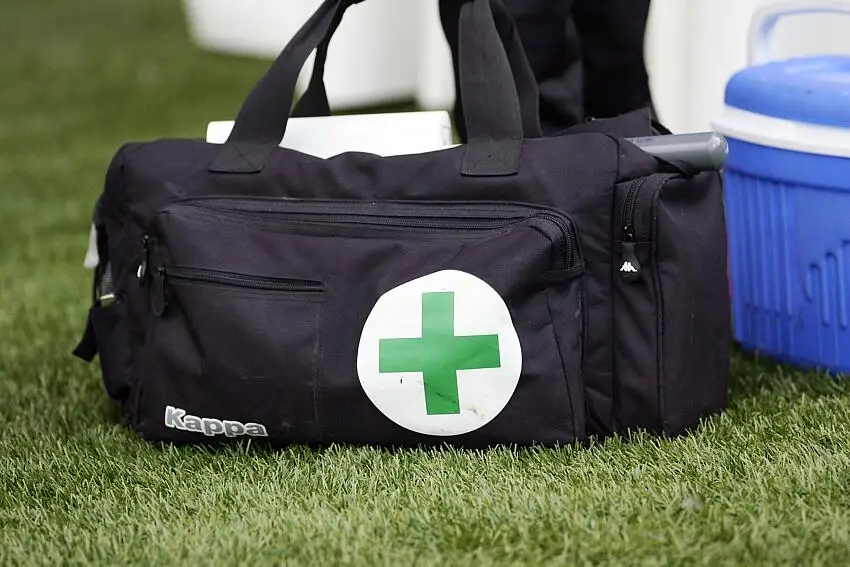
With damage at every level — male players, female players, professionals, amateurs, coaches — and injuries both physical and psychological, plus a range of excesses: alcoholism, doping, violence on and off the pitch, drug taking: rugby does not exist outside society…
In the 1980s, the notion of “acceptable risk” disappeared from the insurance code of sports federations. Legal proceedings exploded, and so did the price of licences and insurance. Rugby’s seriously injured players could count on support from the Fondation Ferrasse (named after an iconic former FFR president), but that quickly proved insufficient. Rugby has grown in popularity to the point where it is now the French public’s second favourite sport.
But rugby defends itself, fights, battles and supports its own. A sport of values, but one that exposes people to serious risks: physical (trauma, concussions), mental (pressure, depression, burn-out) and social (addictions, violence)…
In recent years awareness has grown, with more prevention, more medical follow-up and rules that are being adapted.
Rugby’s “good Samaritans”
The “good Samaritans” do exist: Raphaël Poulain (“quand j’étais superman” and his talks and awareness work), “Colosse aux pieds d’argile”, the work of Provale (promoting dual careers), of the LNR and the FFR (concussion screening, adapting the laws and new equipment such as connected mouthguards, independent match-day doctors…), anti-doping efforts, the work of clubs, county committees and leagues (fighting and preventing violence, webinars, awareness talks), disciplinary panels…

A combat sport that protects itself
Rugby remains a combat sport, and the figures bear it out: 25% of players are injured at least once a year… One of the most accident-prone sports, but one that is putting prevention measures in place: better protection for amateurs, closer monitoring of professionals, and a fight against that culture of playing down symptoms in the name of the pride inherent to the centuries-old practice of this strange sport. And a fight against a pseudo-festive culture, the third half, essential but the source of too many tragedies. In the short and the long term.

Comments