

Under the sun of Aléria, on that Corsican plain where the light stretches out like one last pass before evening, a rare rum is born. The Domaine de Padulone, heir to an agricultural and wine-growing story several generations old, has planted the first Corsican sugar cane destined for distillation. It is here, between vines and livestock, that this Mediterranean land is reinventing rum, an unexpected mirage on the island of beauty, the fruit of the distillation of pure cane juice in the Mediterranean.
You never really leave a rugby pitch behind. Even once the boots are put away and the dried mud has settled at the bottom of your memories, the body remembers. Antoine Lavergne-Vincentelli (25) has swapped scrums for furrows, the try line for the flat horizon of the eastern Corsican plain. And yet, at Padulone, every farming gesture still carries something of rugby: the sense of effort, the patience, the acceptance of a long fight. “Rugby stays in your legs, in your head. You never get rid of it”, he smiles.
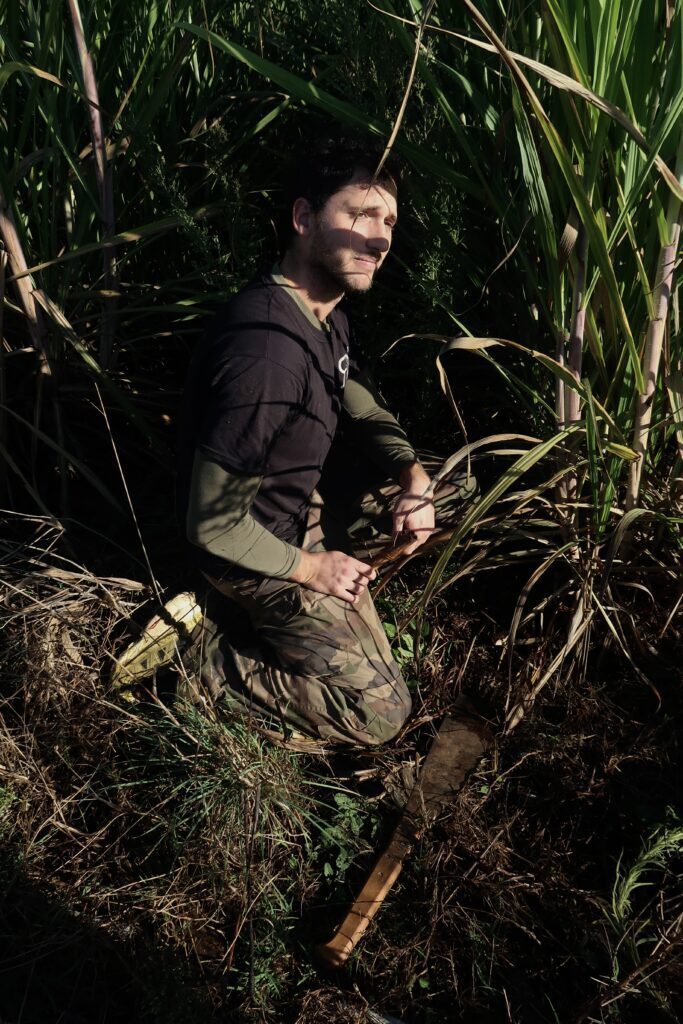
Antoine cuts cane the way he used to pack down into a scrum: no wasted movement, looking for exactly the right footing. At 1.90 metres, his body still lean and as hard as his sun-dried vines, he has kept that lock’s bearing, the kind you spot from a distance but without which nothing moves forward. “I have always been like that, doing the job without talking too much.” Rugby shaped him very early, almost in spite of himself. A father from Bordeaux for whom the oval ball was a given, Corsican grandparents who passed on a taste for hard work the way you pass on a piece of land.
“We used to scrape our knees, but we couldn’t have cared less. What mattered was the atmosphere, the mates”
Antoine Lavergne-Vincentelli
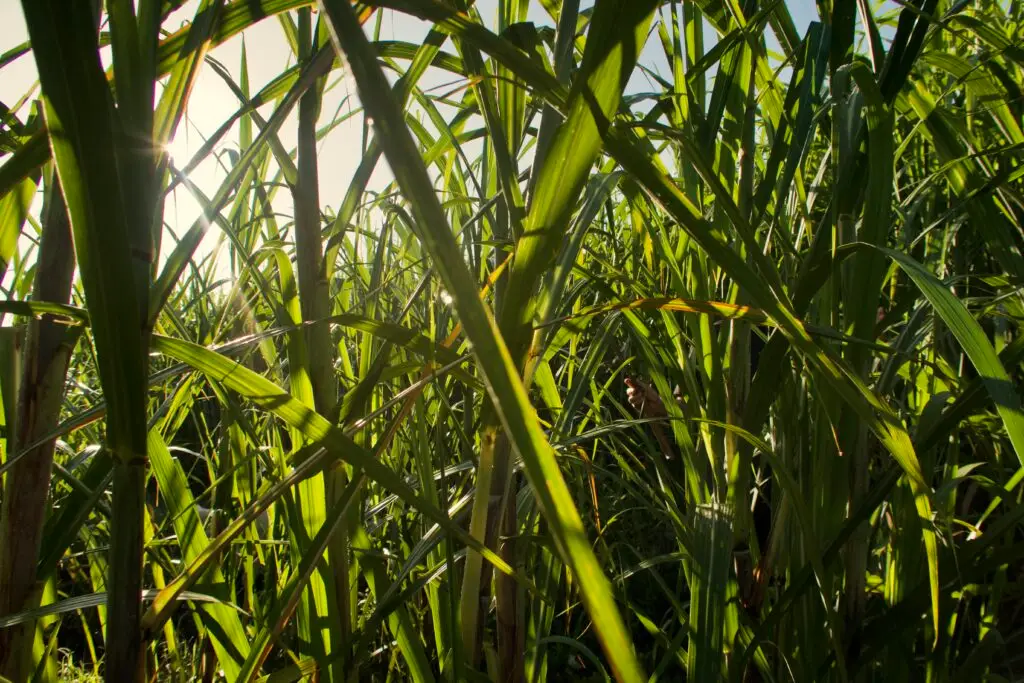
In the fields of Padulone, sugar cane grows slowly and demandingly, like a pack that takes its time to go forward. Antoine watches over it the way he once watched over a lineout. “You have to wait for the right moment. Too early and it lacks sugar. Too late and you lose freshness.” On the earthy, stony pitches of his teenage years, he had learned that the ground often decides the game. “We used to scrape our knees, but we couldn’t have cared less. What mattered was the atmosphere, the mates.”
Deeply shy, he said little, but he loved the muffled noise of school matches: the shouts, the laughter in the changing room, the dust-stained jerseys. That rugby atmosphere is something he finds again today in the distillery, when everyone falls into the rhythm of the fermentation. “It is alive, it moves, it can go wrong if you are not paying attention.”
Second row, first cane
At U18 level, the weekends on the mainland wore him out. Like a season that goes on too long. The mileage, the pressure, the repetition. “At one point, I felt I was no longer getting the same thing out of it.” Rugby became harder, more serious. He drifted away, then came back differently, in Bordeaux, with his cousins, for the fun of it. The way you come back to a niche crop after a detour through intensive farming.
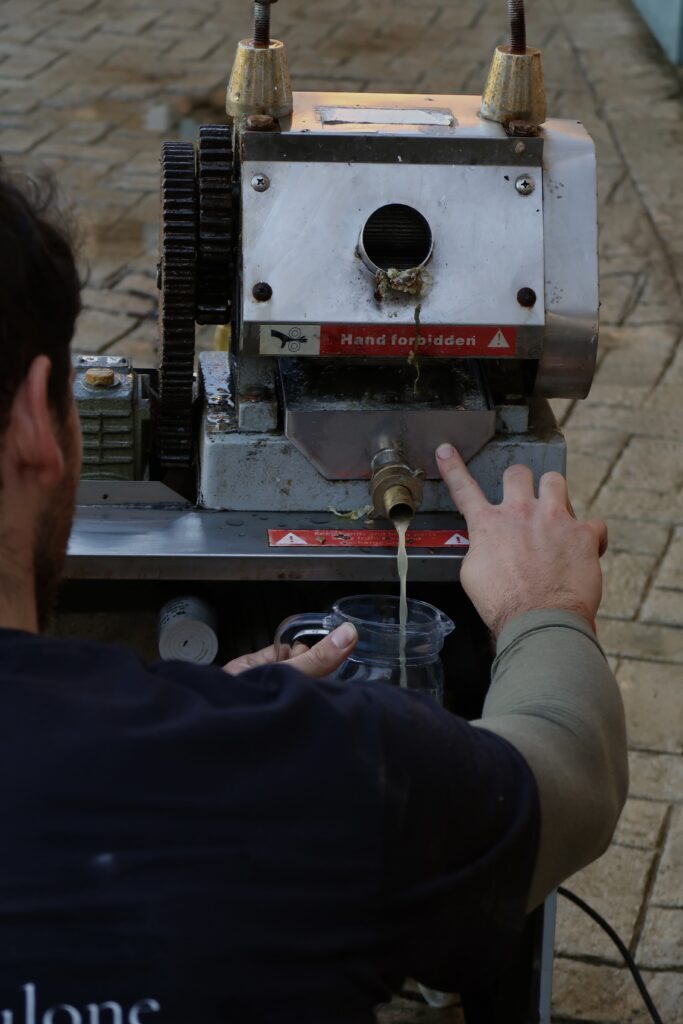
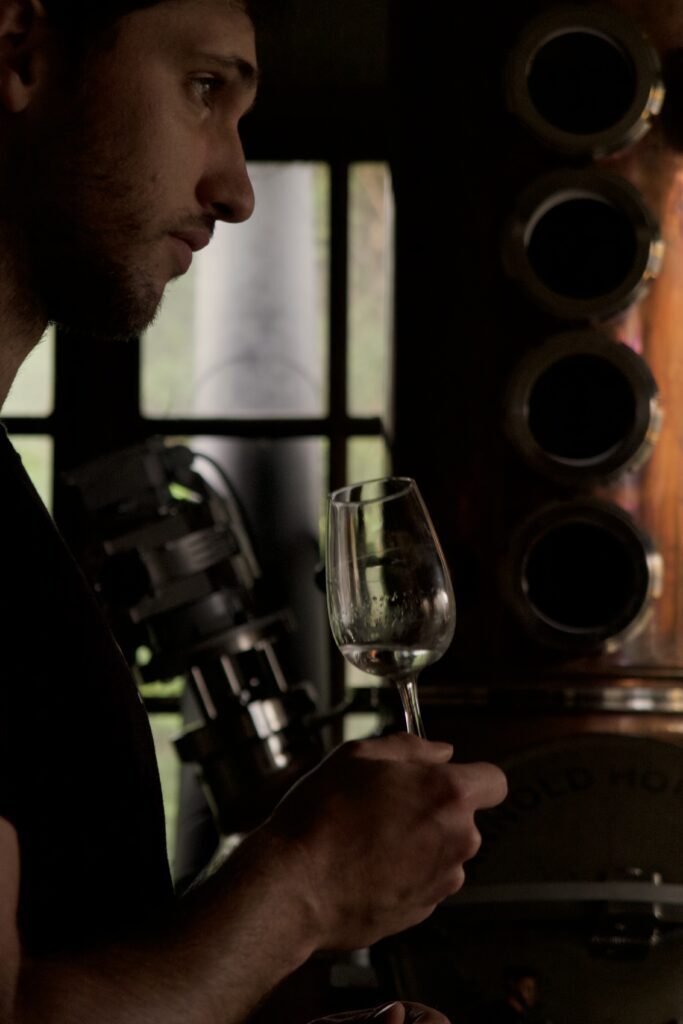
At Padulone, the new chapter is rum, and it is made at the same rhythm as the memories. The cane is cut and pressed immediately. The juice ferments in the Corsican heat. “Fermentation is a bit like a match: you prepare everything, but there is always a part you cannot predict.” Then comes distillation, the key moment. Separating the heads, keeping the heart. “Just like in a team, not everyone can play right to the end. You have to make choices.”
“I have never held a grudge. It is like a failed harvest. You learn and you move on to the next one.”
Antoine Lavergne-Vincentelli
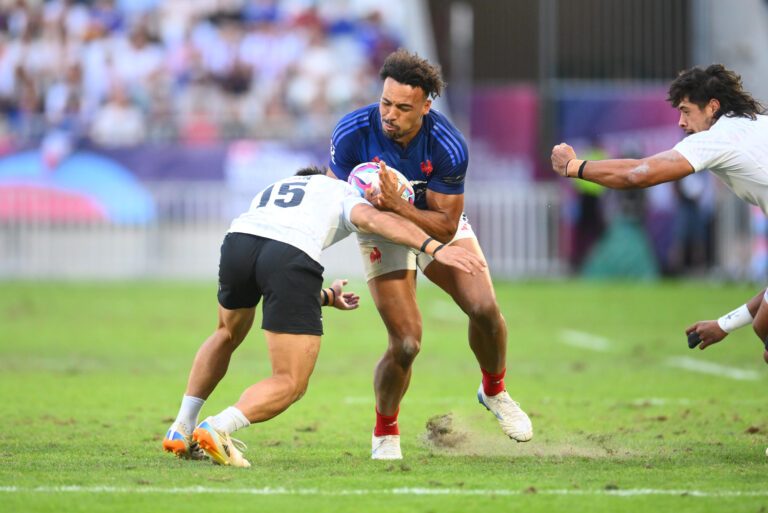
In sevens, Antoine believed the story might speed up. His profile appealed. Coaches were watching. He caught the eye. Once, though, he turned up in studs on an artificial pitch. The kind of detail that costs you dear. “The phone never rang.” He shrugs. “I have never held a grudge. It is like a failed harvest. You learn and you move on to the next one.”
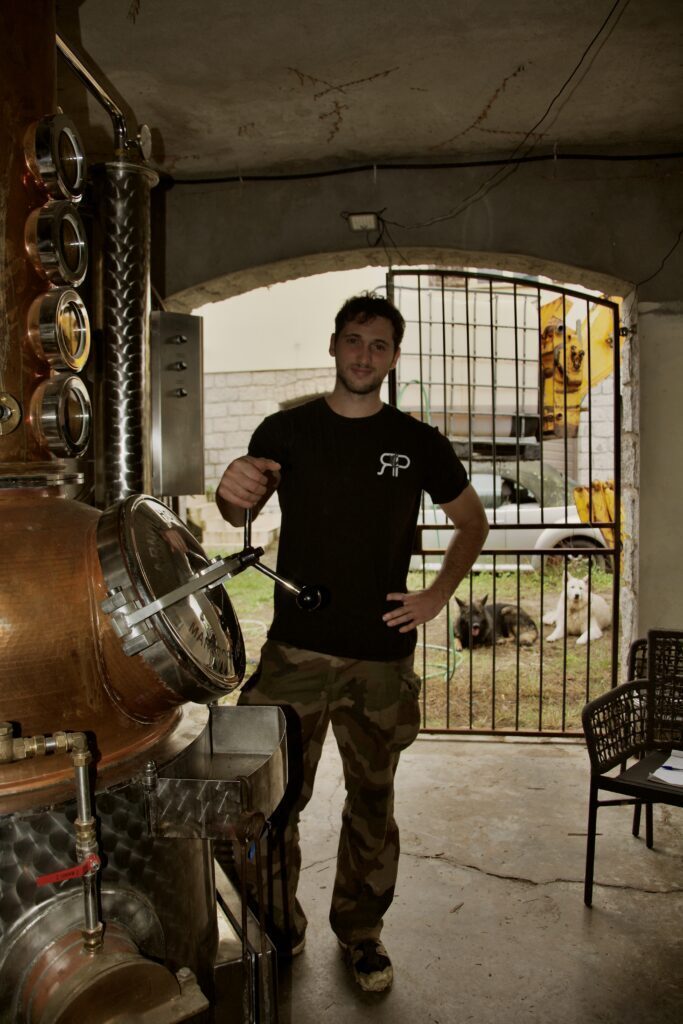
He no longer plays these days, but he still watches the matches, with his family, from a terrace open onto the mountains and the sea. Glass in hand, sometimes. “Rugby is made to be shared. So is rum.” In the summer of 2023, the symbolism was almost perfect: the South Africa team considered coming to prepare for the World Cup on his land. The Springboks at Padulone. The scrum and the cane united. “It made me smile. Everything was coming together.” It was not to be, the Springboks having chosen another training base.
For Antoine, the rum adventure does not replace his rugby memories, but it inherits their spirit: “You have to know how to fall in order to get back up better”, he says, smiling, his hands still carrying the scent of a field ploughed earlier that day. As on a muddy pitch, he now knows the price of effort. And this rum, the first in France, produced in limited quantities, carries in every bottle the trace of that battle – a spirit forged in attention to roots, to bark, and to the unexpected.
Of rum and men
This young Corsican is therefore a pure product of the soil, generous to a fault, attached to the collective more than to the spotlight. This Corsican rum, at once unexpected and deeply rooted, is more than a new spirit: it is the expression of a terroir in full transformation, of a man and a family who have managed to transpose rugby’s values to farming, and of a land that, brick by brick, or rather cane by cane, is inventing a new form of island pride.
Today, the first bottles tell far more than the story of a spirit. They carry a tale of transmission, of reinvention, of a family that learned to fall on beaten-up pitches before understanding that the land, too, gives nothing without total commitment. In every glass there is a little sweat, a lot of patience, and that certainty forged in the scrums that the finest fights are the ones that last. Not the ones that impose themselves. The ones that take root.

Comments