
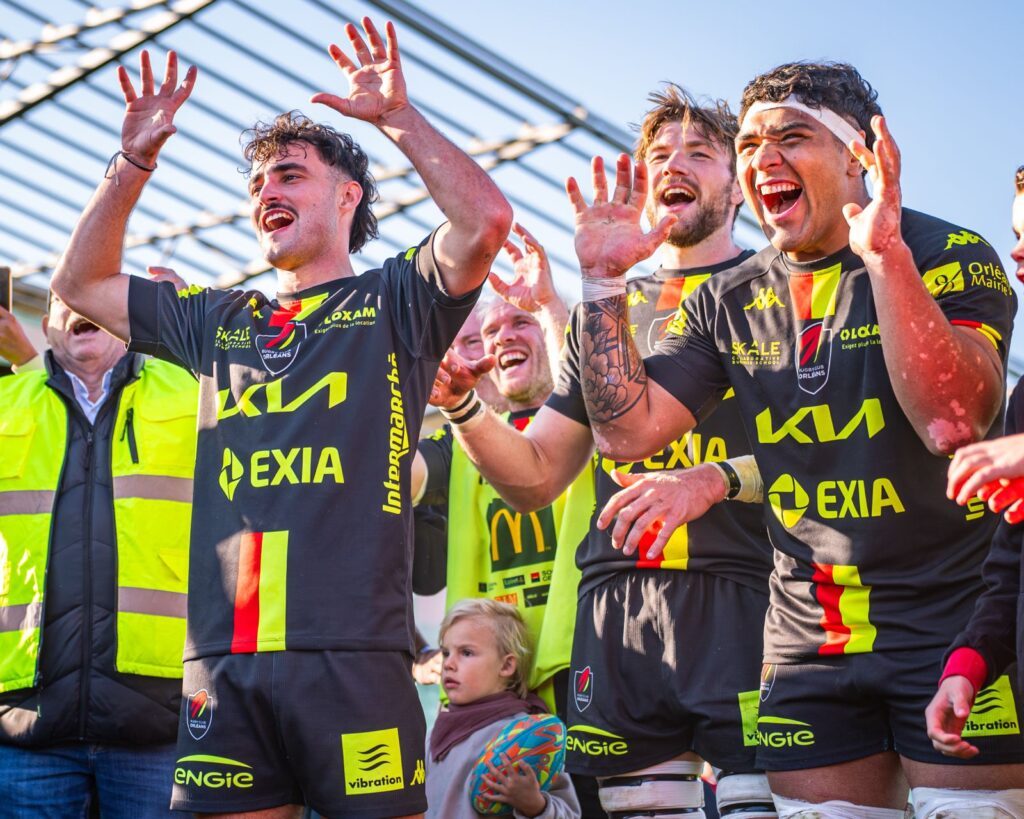
Didier Bouriez has the delivery of a company boss used to making decisions quickly. Very quickly. And even at the other end of the line, you can feel that determination. The same as his senior side, top of the table at the end of the regular season, who take on Mâcon in the Nationale 2 semi-final this Sunday 17 May.
The tone is measured, professorial, above all passionate. On the phone, he talks rugby the way he would talk economic strategy, infrastructure or regional development. In his world, everything seems connected. And yet, only four years ago, nothing really marked him out to become one of the most ambitious presidents in French semi-professional rugby.
“Me, I come from football originally“, he says with an almost amused smile.
When he arrived at Rugby Club Orléans, the club had just come up from Fédérale 2 to Fédérale 1. On the pitch, something was starting to emerge. Financially, though, the situation was far more fragile. “The club was bled dry financially. We needed someone with experience as a developer.”
From Fédérale 1 to a Nationale 2 semi-final
A member of the board he knew well came to get him. Bouriez barely hesitated. Or rather: he did not really think about it. “It’s like meeting someone. I fell in love. Love at first sight.“
Four years later, the RCO are playing a Nationale 2 semi-final against Mâcon and openly dreaming of joining Nationale 1. Behind that potential promotion, another, bigger dream, another ambition is already taking shape: Pro D2.
? Le RCO en demi-finale de Nationale 2 !
— Ville d'Orléans (@VilledOrleans) May 5, 2026
Au terme d’un match maîtrisé face à Rumilly (32-22), le Rugby Club Orléans décroche sa place dans le dernier carré ?
? Direction les demi-finales pour continuer l’aventure pic.twitter.com/y0a7359Fm5
“Yes, the medium-term objective is Pro D2.” The president makes no secret of it. But he refuses to get carried away. With him, every ambition immediately comes with one word: structure.
In Orléans, rugby is no longer thought of as simply an ambitious amateur club. The RCO already operate like a modern sporting business. “We are a professional club playing in an amateur division.” That just about sums it all up. Because administratively, Nationale and Nationale 2 remain under the amateur federal umbrella. In practice, plenty of clubs already live like professional organisations. Orléans are one of them.
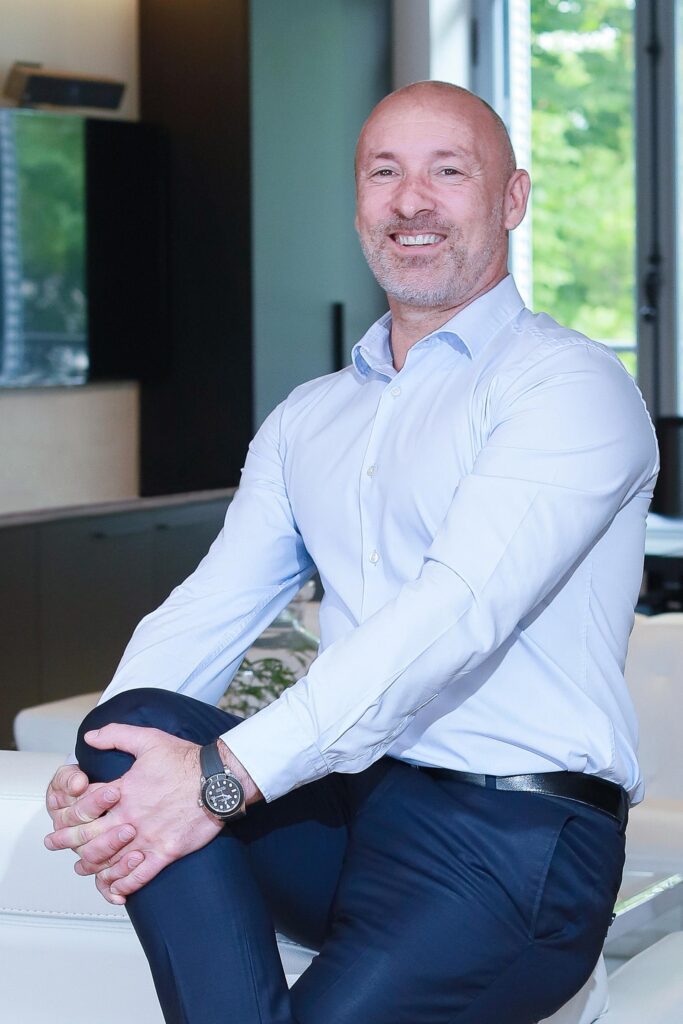
With a budget of 3.6 million euros, the RCO have one of the biggest sets of resources in Nationale 2. But what really strikes you is the way the money is used. Managers, strength and conditioning coaches, video analysts, medical staff, communications, commercial development, a structured office: the club has gradually stacked up the building blocks needed to operate at a high level.
“If you have the ambition of going to Nationale and then Pro D2, you have no choice but to go through those stages“, he says.
Romain Cabannes and a staff modelled on the elite game
The staff, precisely, has become one of the cornerstones of the Orléans project. Didier Bouriez talks about it with almost the same care he gives his players. In charge of the rugby side, manager and former Castres man Romain Cabannes runs the game plan and the backs, supported by Benjamin Abbadie for the forwards.
Around them orbit several experienced figures, such as Pierre-Gilles Lakafia, strength and conditioning coach and head of performance, who brings his experience of the very top level.
“What matters is that people buy into the club’s project“, Bouriez insists. To hear him talk, the RCO have not only recruited skills, but a shared culture. The president lays claim to a coaching set-up capable of understanding the modern demands of rugby: back-to-back matches, recovery, injury prevention, the mental management of players and video analysis.
“Today, having two strength and conditioning coaches, video analysts, a genuine medical staff, is essential if you want to perform over the long term“, he adds. In a division where many clubs still operate with limited means, Orléans have chosen to invest heavily in people.
Not only to win straight away, but to put in place a structure capable of absorbing the demands of the divisions above. Bouriez says it often: modern rugby can no longer rest on raw talent alone.
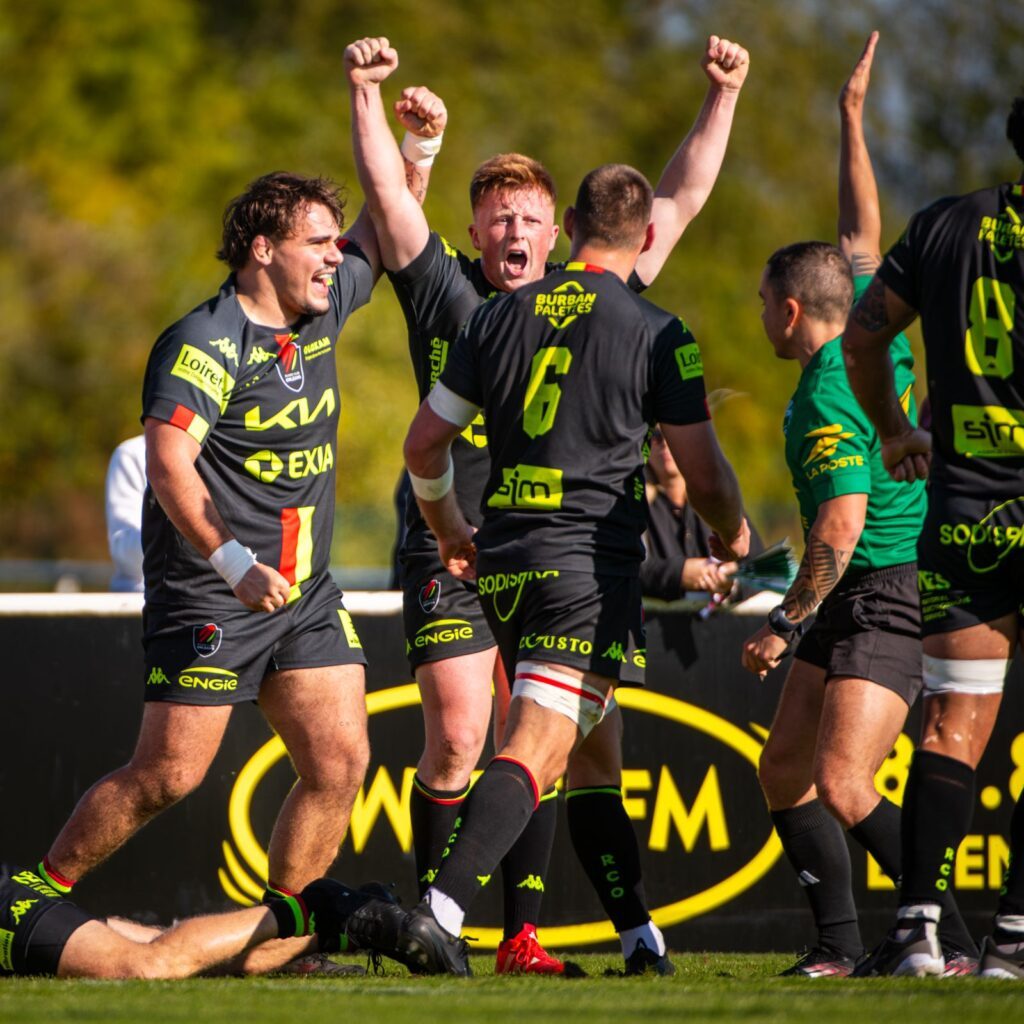
That professionalisation of the staff also reflects another ambition: to become a credible destination for players looking to progress. “When a player sees that there is a real coaching set-up, facilities, a clear project, it changes everything“, the president says.
Professionalisation, the condition for going up to Pro D2
In the club’s corridors, that professionalisation is felt everywhere. The players arrive early, leave late, string together treatment, video, recovery and individualised preparation. “Today, if you want to perform over the long term, you have to master everything“, Bouriez explains.
To hear him talk, semi-professional rugby is now going through a silent transformation: that of an amateur sport gradually adopting the demands of the very top level without yet having the same financial resources.
Bouriez rejects the romanticism of old-school amateur rugby. “Going up through the divisions while training little and boozing every weekend, that doesn’t exist.” At least not for him. The president often talks like a boss watching the world of work change in front of his eyes. And he applies that same eye to modern rugby. “Young players are no longer the players of twenty years ago“, he says.
He does not say that with nostalgia. More with clear-sightedness. “Today, a lot of them go to rugby the way they go to work. The passion is less natural. So you have to support them differently.”
For him, in plain terms, man-management logically becomes central. Players have to be guided, monitored, given responsibility. Sleep, recovery, lifestyle and mental preparation count as much as the video sessions. “The frustration of not going out, of eating well, of sleeping properly, you only put up with it if you are passionate.”
So the RCO try to create that permanently competitive environment.
Philip Wokorach, 15 tries and a collective culture
When you bring up wing Philip Wokorach, one of the key men of Orléans’ season with his 15 tries in the regular season, Didier Bouriez’s tone shifts slightly. The former Uganda sevens international has become one of the attractions of the competition.
“He is a very fine player. Very rangy, athletic, rigorous.” The president immediately insists on another aspect. “He looks after his body. He works. He is not a spoilt child.“

Then he almost describes a laboratory profile: natural speed, feel for the game, flashes of brilliance. “Running fast is 95% genetic. You either have it or you don’t.” But here again, Bouriez refuses the cult of the star. “With us, there are no stars.”
Which leads him to cite and compare the Messi-Neymar-Mbappé version of PSG as a counter-example. “They had three stars, they won nothing. The stars left, they win the European Cup. Why? Because you need a balanced team.“
Rugby, for him and therefore inside the club, remains a matter of the collective. Of complementarity. Of the group. “Without the big lads up front winning the gain line, the backs do nothing“, he stresses. That logic runs through the whole Orléans project. The club wants to keep as much of its squad as possible. To bank on cohesion. To grow its young players.
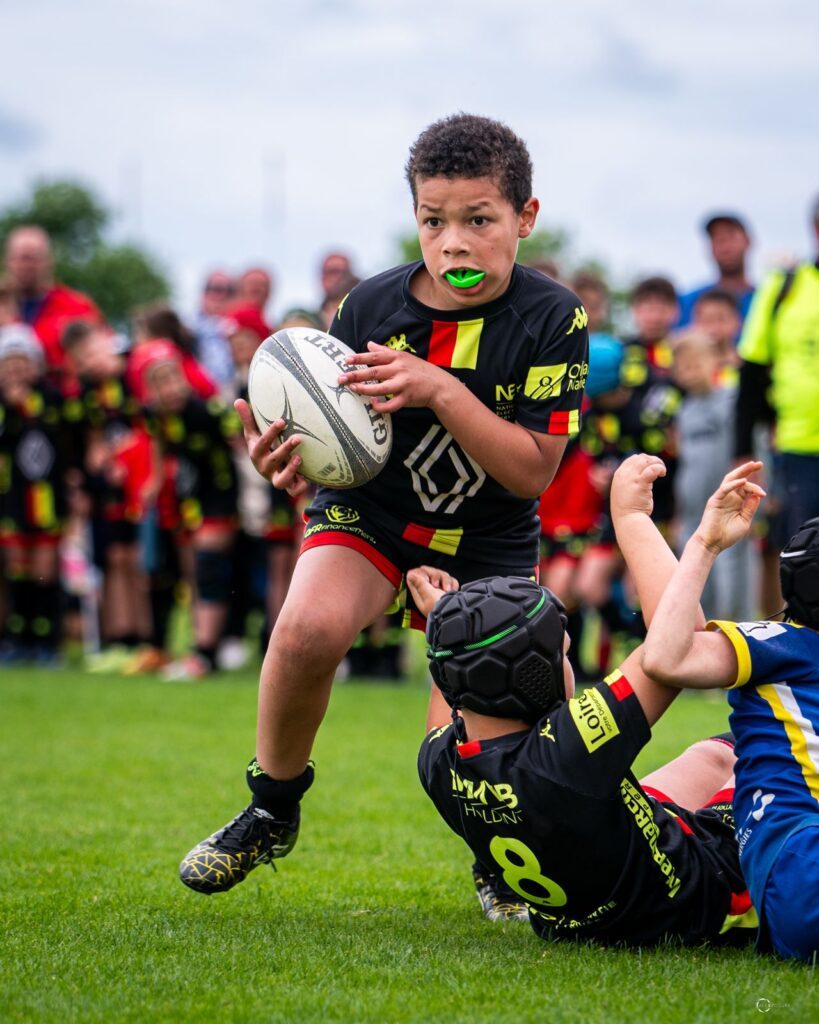
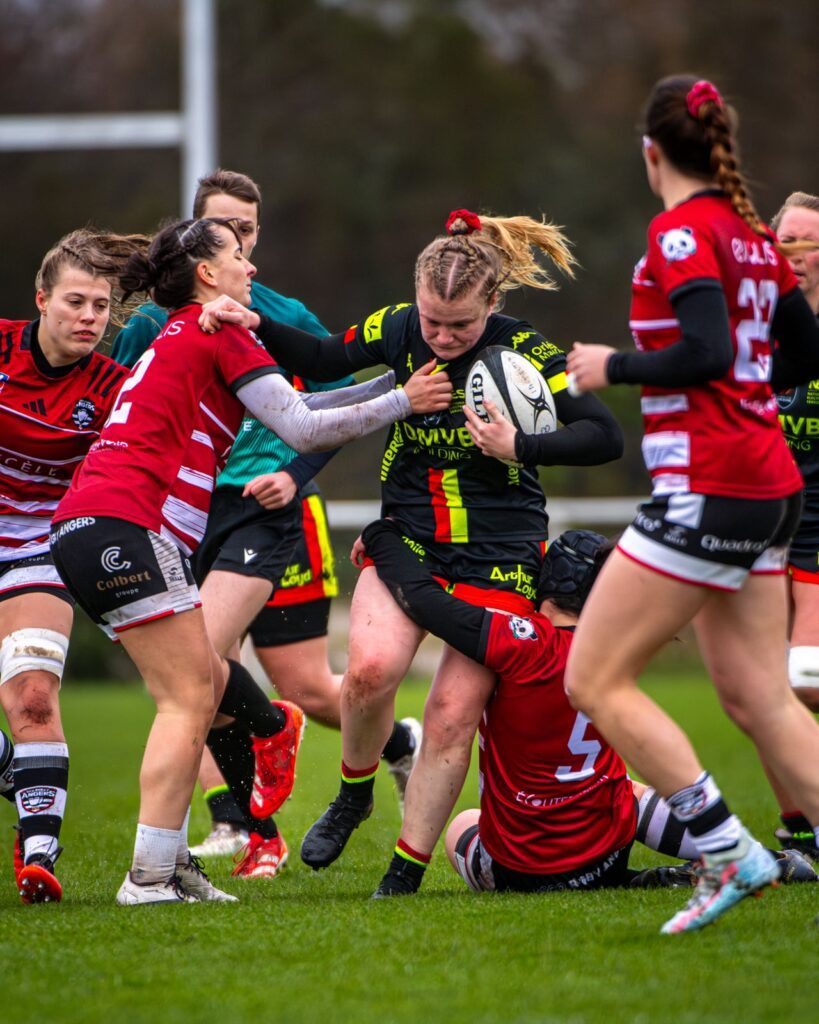
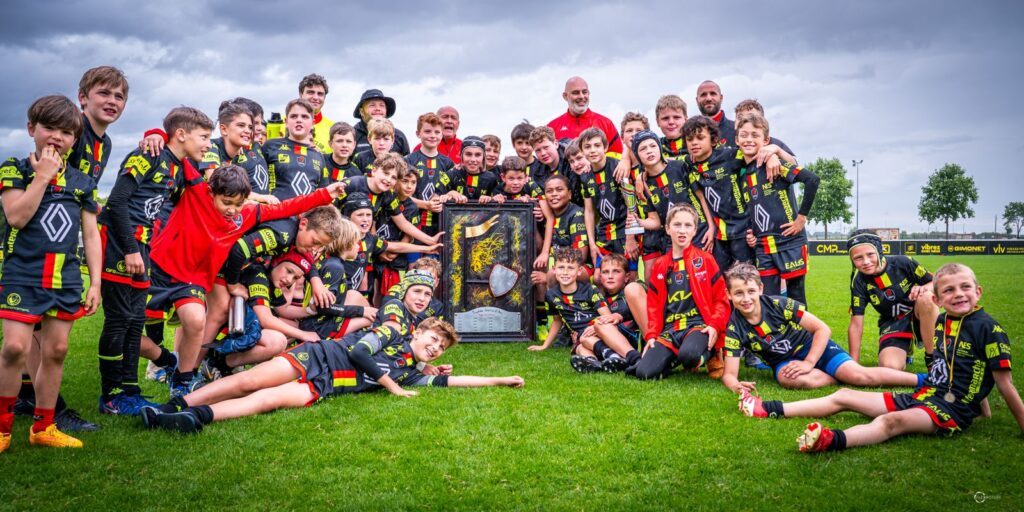
The Espoirs are, as it happens, dominating their competition. The U19s and U16s are performing too. The women’s team is progressing. Bouriez again: “We are creating a pyramid. An identity of play.“
The president also insists a great deal on the importance of the old heads in that construction. Experienced players, sometimes at the end of their careers, who act as relays in the dressing room and guide the youngest. “We need centurions“, he says.
Meaning: players who have known the top level, injuries, pressure, long seasons and the demands of professionalism. Not only to win matches, but to pass on a culture.
Orléans, driving force of a Centre-Val de Loire rugby scene still to be structured
But the ambition goes far beyond results on the pitch. Didier Bouriez now thinks about rugby on the scale of an entire region. Centre-Val de Loire accounts for only around 3% of France’s registered players. For him, that is an anomaly. “We are a region of 2.7 million inhabitants. There is enormous potential.” So Orléans want to become a driving force.
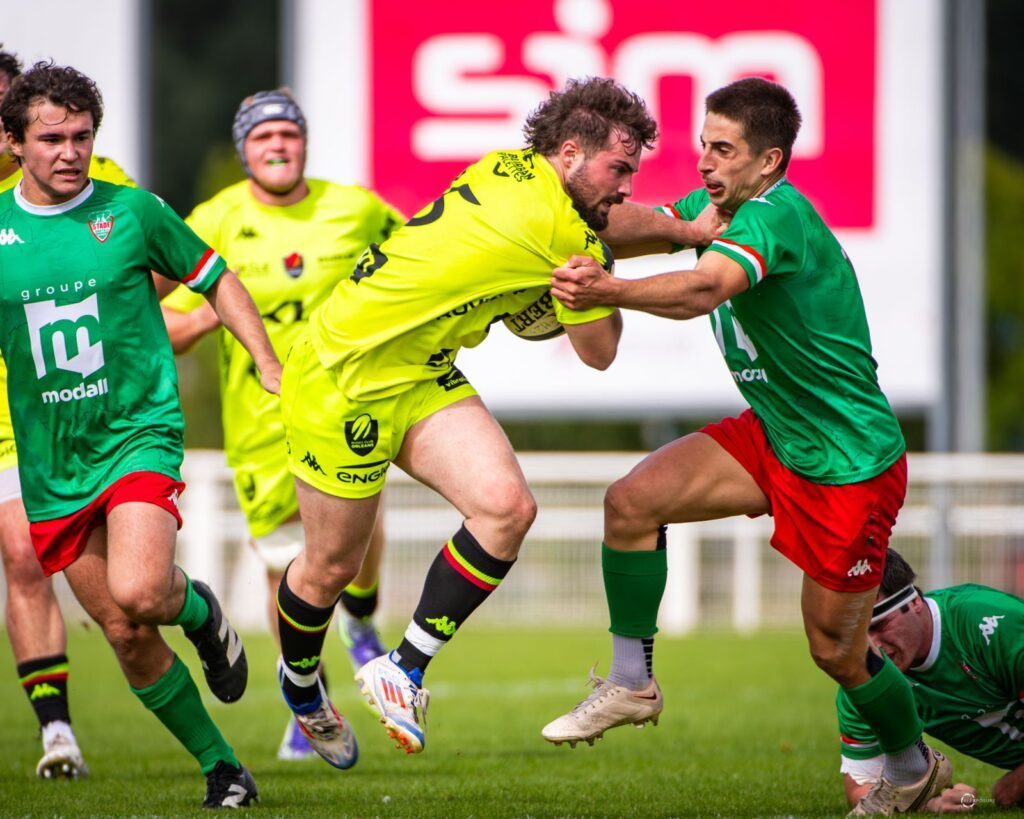
The president is already imagining a structured regional ecosystem: Orléans in Nationale, Tours in Nationale 2, Chartres relaunched, Bourges stabilised. “We are creating an ecosystem.” The aim is simple: to stop talent leaking away and allow players to stay in the region while progressing step by step. “The more we work together, the more noise there will be around rugby here.“
Because the main challenge remains appeal. “For a lot of players from the South-West, coming to the North is a punishment.” He smiles before immediately correcting himself. “Whereas Orléans is a city of 300,000 people, 50 minutes from Paris, with real cultural wealth.” Rugby then becomes a tool of regional development as much as a sporting project.
And the public is gradually following. This season, some fixtures have drawn more than 5,600 spectators. A crowd still rare at this level. “There is a thirst for rugby“, Bouriez reckons. A desire to rediscover “a sport of commitment, of combat and of respect“. The president also talks a lot about the volunteers, those retired people who live to the rhythm of the club and find in match days a precious social bond.
“A sports club brings people together. It builds a sense of living together.”
The economy, meanwhile, keeps coming back into the conversation. The RCO president watches with concern the financial difficulties that have hit numerous French clubs in recent years. Niort, Blagnac, Cognac, Tarbes and Hyères-Carqueiranne have been reminders of how fragile the balance remains. “A sports club is a business“, he hammers home. And like a business, it can fall.
So Bouriez refuses any headlong budgetary rush. “This isn’t a 100-metre sprint. It’s a marathon.” The future 15-million-euro stadium, currently being planned with the local authorities, is a perfect symbol of that logic. A facility designed to last, shared with football, built around a hybrid pitch. “The priority is the facilities.“
An economic model that refuses to depend on public money
But there is no question, in his view, of relying solely on public money. “The magic counter where you turn up to collect a cheque, we have to get away from that.” He understands the role of the local authorities, but refuses to turn it into an economic model. He presses the point: “Local authorities should help build facilities. Not fund salaries for ever.“
His discourse cuts against some of the habits of French rugby. He talks public debt, return on investment, sustainable models. “When the economy tightens, sponsorship is the first budget line people cut.” So the club tries to build its own economy, with partners, spectators and local businesses.
Even the public is confronted with its responsibilities. “You can’t want an ambitious team without taking part in the project.” Paying for your seat, spending at the ground, coming regularly: for Bouriez, that is an integral part of the club’s development. “By coming to the stadium, people take part in building the RCO.“
And behind all of that, there remains a fairly raw form of rugby humanism. The president often reminds his players that they remain privileged. “There are people working 35 hours in a factory to feed their family. That too is honourable.“
So at the club they also prepare for life after rugby. Coaching qualifications, bridges with local businesses, meetings with company bosses: the RCO want to support their players beyond the pitch. Because a career can turn very quickly. “One injury, two injuries, and it’s over.“
Pro D2: an openly stated ambition, a patient timetable
Bouriez’s rugby is therefore never detached from the world around it. It stays connected to the social and economic reality of the country. And perhaps that is precisely where the current strength of Rugby Club Orléans lies: an ambitious, structured project, almost voracious in its progression… but one that still refuses to lose its grip on reality.
Even before a crucial semi-final. “You have to stay humble, but I’m confident“, the president was already saying before the quarter-finals. Will his mantra prove the RCO right?

Comments