
For several seasons now the salary cap – that is, the ceiling on the wage bill of Top 14 clubs – has shaped the financial regulation of French professional rugby. But this safeguard, often presented as insurance for economic balance, is now drawing a wave of very public criticism, voiced not least by the very people it is supposed to protect.
? #Rugby | ?️ Antoine Dupont prend la parole pour dénoncer le salary cap imposé par la ligue, qu’il juge trop "invasif" pour les joueurs, a-t-il expliqué à l'AFP. pic.twitter.com/AMvKKxSFJL
— francetvsport (@francetvsport) October 2, 2025
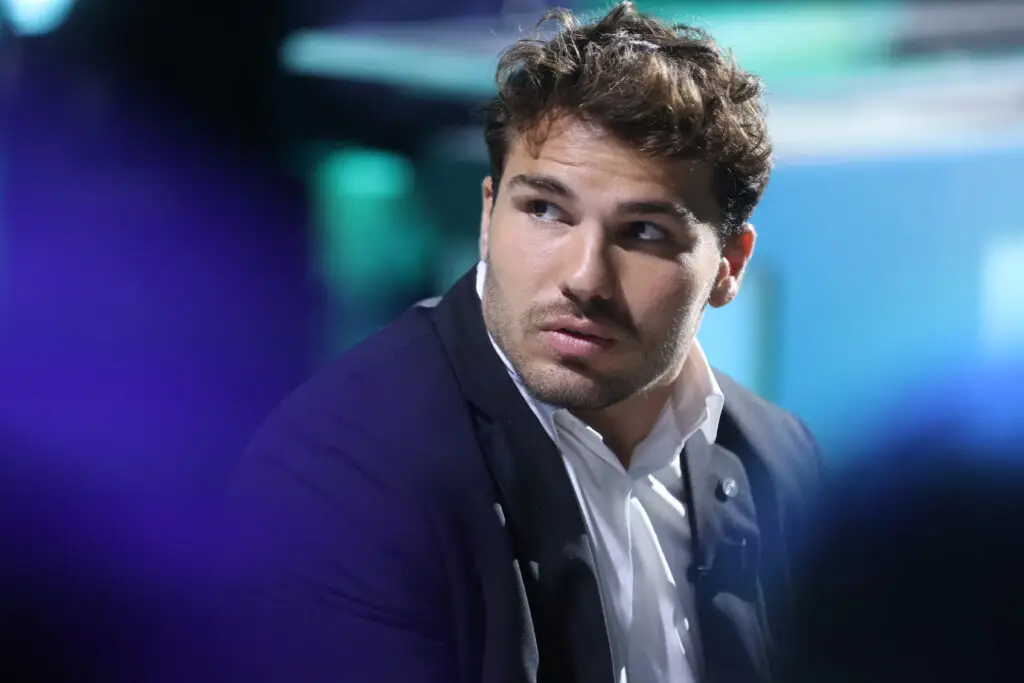
On Thursday 2 October, Antoine Dupont, scrum-half for Stade toulousain and France, delivered a blunt indictment of the mechanism, judging it too coercive for players. At the renewal of the partnership between Stade Toulousain and Peugeot, Antoine Dupont made no secret of his irritation. The scrum-half, the figurehead of French rugby, condemned the Top 14 salary cap as a straitjacket limiting players’ contractual freedom. “The salary cap rules (…) stop us using our individual image through conventional advertising contracts“, he said, complaining that even personal deals have to be “declared” to the league.
A “witch hunt”
The France captain even went as far as to point to a form of “witch hunt”, in which the authorities are said to be looking to “unmask the cheats”, notably by requiring players to declare all their partners, including those with no direct link to the club, and even to investigate their “personal assets”.
At present the wage-bill ceiling for Top 14 clubs is set at 10.7 million euros until the 2026–2027 season. That figure is already subject to negotiation between club chairmen, and the LNR itself has considered adjustments, hoping, according to its president Yann Roubert, for a downward review. This control mechanism is not purely theoretical: it has already produced cases that leaked into the open.
Antoine Dupont a critiqué jeudi le salary-cap du Top 14, qu'il juge « trop invasif » pour les joueurs. Le demi de mêlée du Stade Toulousain dénonce notamment les restrictions sur l'exploitation par les joueurs de leur image individuelle.
— L'Équipe (@lequipe) October 2, 2025
➡️ https://t.co/43cvD2HIqm pic.twitter.com/RpEQnEKqN6
In April 2025, Stade toulousain were required to pay 1.3 million euros to the LNR to settle proceedings linked to a disputed transfer, that of Melvyn Jaminet in 2022. The club had been suspected of breaching salary cap rules to pay Jaminet’s release clause, and a settlement was reached through mediation.
On the Toulouse front, precisely, Dupont says he is concerned about a fair share-out: in his view rugby’s economy is “doing well” – TV rights, attendances, visibility – but players are not fully benefiting from that growth, all the more so as their salaries are stagnating, or even falling.
Clarification on image rights
A few hours later, the Ligue nationale de rugby responded publicly, in a statement, to reframe the criticism. In its view, the salary cap system is “essential to preserving both sporting fairness and the economic balance” of the clubs. And above all, “the LNR in no way prevents a player from exercising his image rights“. It specifies that only contracts signed with companies that are club partners have to be counted within the salary cap, in order to guarantee “transparency” and prevent disguised indirect payments.
The LNR nonetheless acknowledges how sensitive the debate is. It says a fundamental review is under way on the scope of the mechanism: its level, its base, its control procedures. And, above all, that players, through the Provale union, will be stakeholders in that work. Any changes will be put to the board from early 2026, for possible implementation from the 2026-2027 or 2027-2028 season.
A communications duel
The clash between Dupont and the LNR illustrates a structural conflict in which French professional rugby is bogged down: on one side, the desire for financial control to avoid imbalance (loss-making clubs, wage inflation). On the other, players’ quest for individual recognition, particularly around their image, which is also a source of personal income.
In other words, the France captain highlights a contradiction: while rugby is banking growing revenues, the frameworks imposed on players weigh on their freedom. The LNR, for its part, defends itself by stressing that the system does not prohibit the exploitation of image rights, but regulates certain cases to prevent abuses. It remains to be seen whether this communications duel will lead to concrete compromises. The clock is now ticking: 2026 could see the opening of quite a project.

Comments