

What if, for once, we started at the end? At the close of an impassioned interview, Sabine Guerlais, 54, president of Rugby Union Pays de Lorient (RUPL) since 2019, speaks freely: “What can I tell you? Long live the tangos and blacks! Those are our colours. We took back the historic colours of rugby in Lorient, which go back 100 years. Yes, I just want to say, long live Breton rugby.”
Shifting menhirs for the future
They may not be able to move mountains, but the team around Sabine knows it can “shift menhirs” to keep growing the local game. Arms and legs are not in short supply; the sinews of war remain the pitches. Sabine Guerlais is persuasive but level-headed: “Sometimes we don’t have all the ins and outs when it comes to trying to help the local councils out. But we have a project to build a superb complex so we can keep playing in Fédérale and develop the rugby schools of our three parent clubs.”
Here, the enjoyment of the women and men playing comes first, carried by the fundamental values of sharing.
Strength in unity: the RUPL model
The famous “mysteries of Lorient” hold no secrets for Sabine, who has a perfect grasp of how this unusual club works. RUPL is a cooperative, a grouping of cadets, juniors and seniors, covering both men’s and women’s competitions. The structure rests on three pillars: Rugby Club de Guidel, Rugby Club Hennebont Blavet and Rugby Ovalie Lorient (ROL).
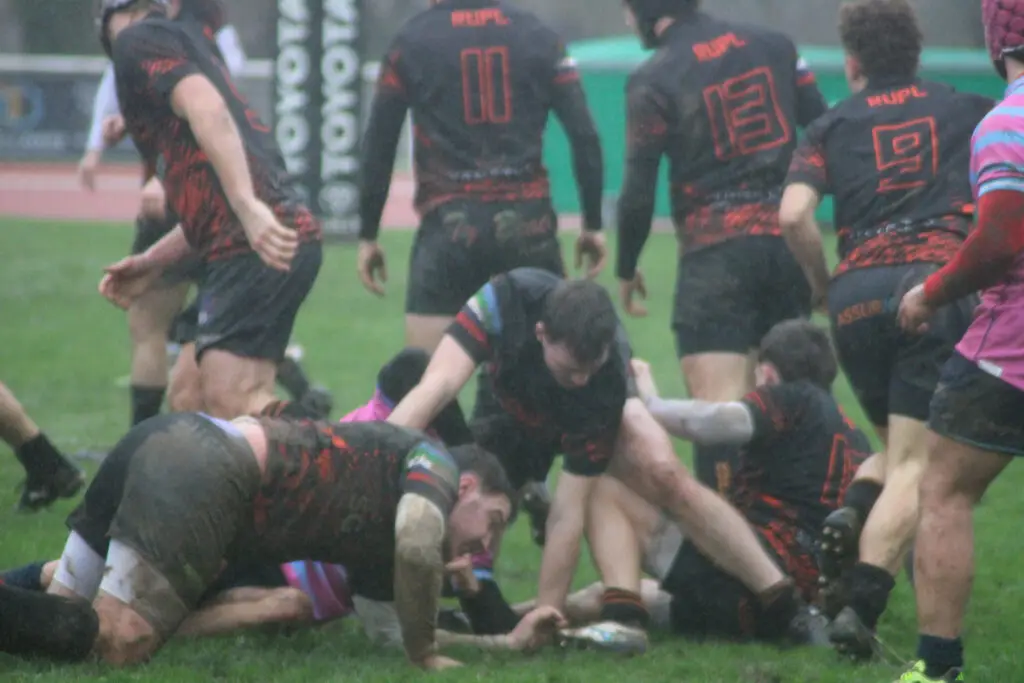
For the president, the adventure began with the family bug: “My husband plays Loisirs +18 recreational rugby at the ROL… and my children have been playing rugby since they were five and six. So I found myself volunteering, then joining the management committee. In 2019, we created Rugby Union Pays de Lorient with a completely new affiliation number.”
600 registered players and some serious logistics
Today, the pooling of resources is bearing fruit. With more than 600 registered players spread across the four clubs (from baby rugby to seniors, taking in five-a-side and recreational rugby along the way), the union is starting to carry real weight in the Breton landscape. The coaching set-up keeps pace, with more than 50 dedicated staff. On the infrastructure side, two pitches are approved for matches (Guidel and Lorient), on top of a training pitch.
Ask her what she loves about this sport and Sabine’s answer comes straight back: “The values. One big family built on sharing! I’m always on the lookout for the best solutions. We date from 2019, we’re not old, there’s always something to build.”
A “loud” voice on the touchline
Sabine has never played, but she knows the music of the pitch and knows how to be “loud”: “I’d rather be on the touchline, shouting, encouraging, making noise and organising. Seeing my husband, my children and everyone else playing for the club is sheer happiness.”
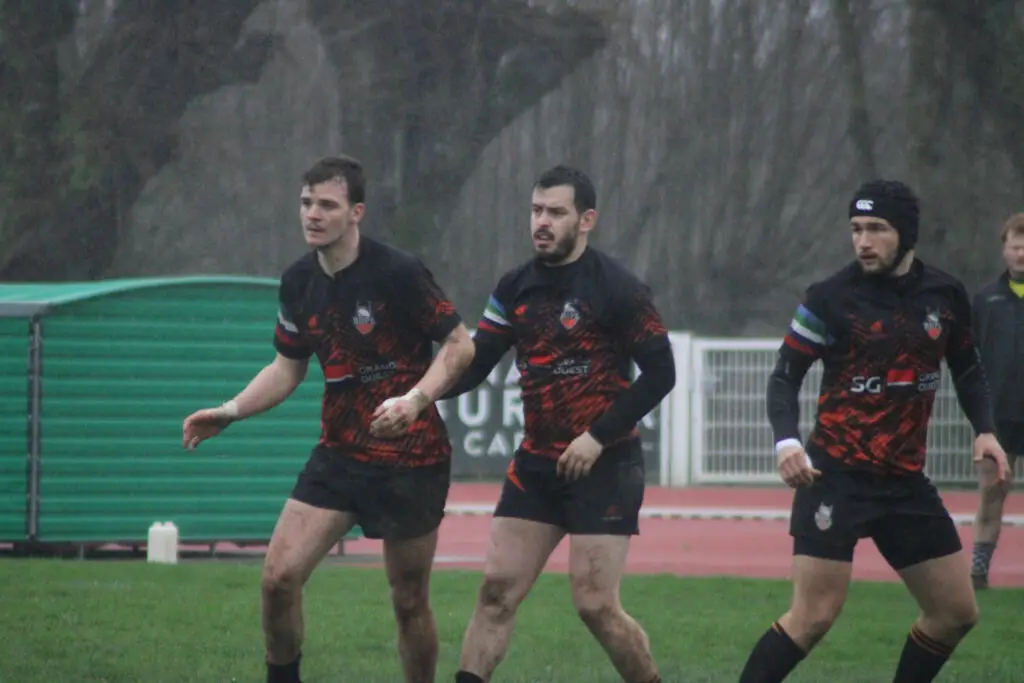
This momentum is part of a wider boom in Brittany, the leading region in France for growth in the number of registered players. As a member of the Morbihan departmental committee, Sabine watches the buzz with enthusiasm, while staying clear-eyed about the structural obstacles.
The infrastructure “Trojan horse”
One striking figure from the Assises du Rugby breton underlines the challenge: out of 2,000 major sports pitches in Brittany, only 137 are fitted with sockets for rugby posts. For Sabine Guerlais, that is an opportunity to be seized, a genuine “Trojan horse” for getting a foot in the door of urban development.
“We’re working on it with Lorient town hall, it’s more than just a line of development,” she says. The success of Guidel, which has a modern complex, serves as a model. Pooling resources is the killer argument: “What town halls really like is the pooling. The senior sides in Fédérale 3 can play at Guidel or at Lorient, it makes no difference.”


Comments