
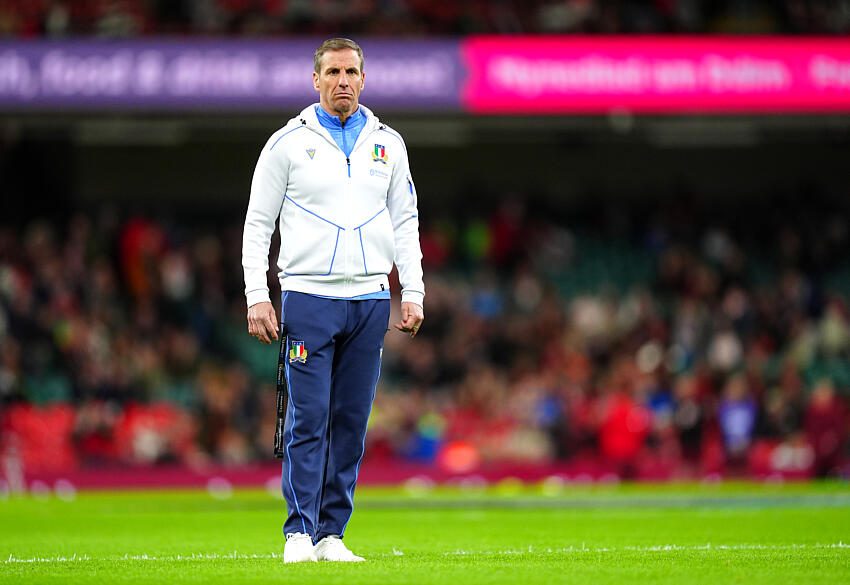
This is a first, and it will set a precedent. By going after the officiating following Italy’s defeat in New Zealand, Gonzalo Quesada has become the first coach punished under World Rugby’s brand-new disciplinary process covering criticism of match officials. Here is what it means.
Quesada, a textbook case
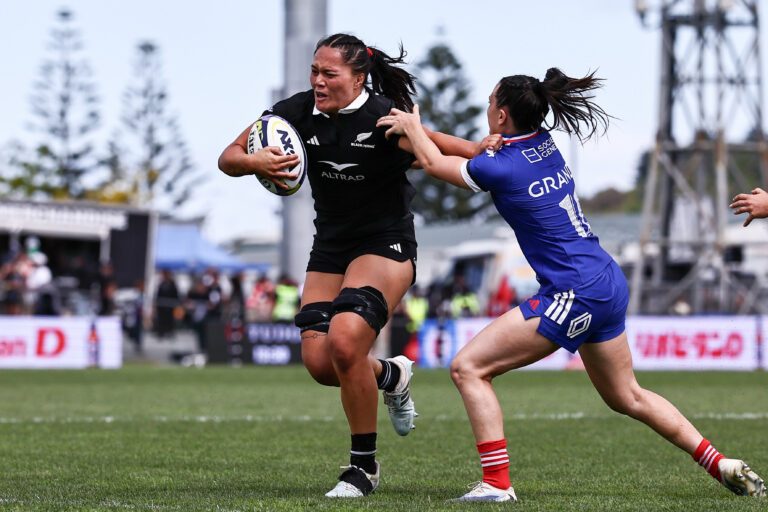
It all starts with round two of the Nations Championship. Heavily beaten by the All Blacks in Wellington (47-17) on 11 July, Italy saw head coach Gonzalo Quesada publicly criticise the match referee, France’s Luc Ramos. A few days later, World Rugby ruled: an automatic two-match ban.
The sanction carries real weight. The Argentine is barred from all matchday activity, including simply being in the stadium, starting with Italy’s third and final test against Australia in Perth on Saturday. He does, however, retain the right to appeal to a judicial committee.
An unprecedented process against abuse
What makes the case notable is the framework: Quesada is the first coach sanctioned under the Match Official Abuse Sanction Process, the new mechanism World Rugby introduced this month. Born out of the Shape of the Game forum discussions, it now applies to every international match controlled by officials appointed by the governing body, from the Nations Championship to the World Rugby U20 Championship, by way of WXV and the Nations Cup.
In substance, the mechanism rests on an independent panel, made up of the chair of the independent judicial committee and two experienced members, tasked with examining comments made by coaches and staff to determine whether they cross the line. The governing body’s reasoning is clear. Since 2023, its programme protecting officials on social media has shown that a large share of the online abuse aimed at referees begins with inaccurate comments about their performance, made by people in positions of authority. By sanctioning public criticism from coaches, World Rugby wants to cut that off at source. The new process runs in parallel with the existing provisions on misconduct (Regulation 18).
Italy fight back
The Italian Rugby Federation was quick to respond. It announced it would appeal the decision, while indicating it would say nothing further on the matter until the process is complete. In the meantime, preparation for the Wallabies match continued as normal, with only media duties rearranged and handed to the assistant coaches. The precedent, though, is set: the first name has fallen, and it will probably not be the last.

Comments